
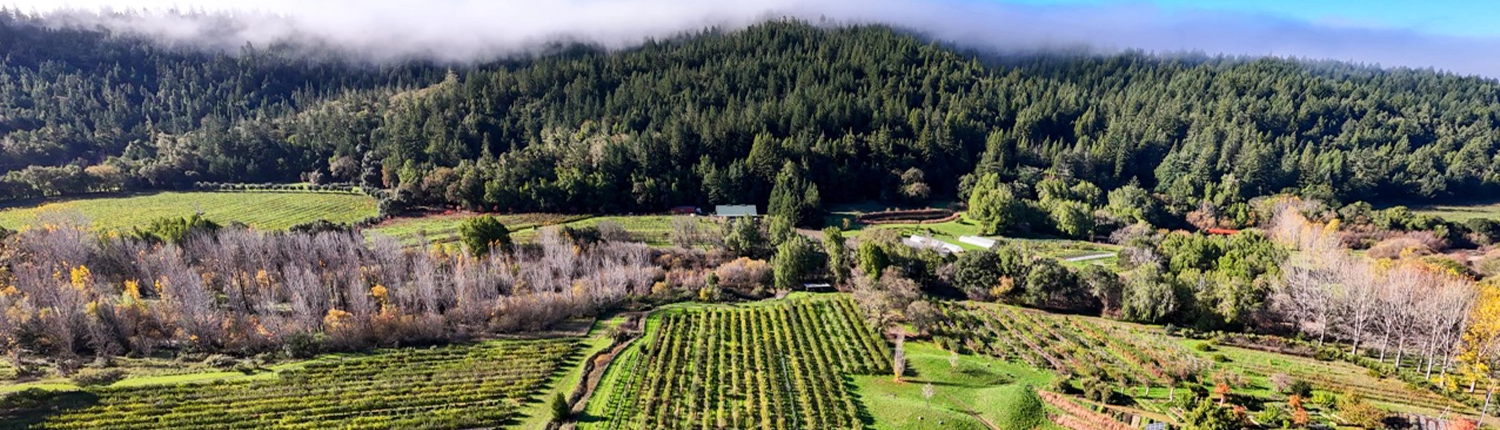
The Land Comes First in Anderson Valley Farming
In Anderson Valley, farming isn’t a marketing angle.
It’s a relationship.
The land comes first: Before yields, before trends, before tasting notes. Earth Month gives us a moment to step back and recognize the farmers and vineyard stewards who shape this valley quietly, season after season.
Anderson Valley is small, just 15 miles long and one mile wide. Within that narrow stretch, farmers are experimenting, refining, and committing to systems that protect soil, water, wildlife, and community.
Earth Month isn’t about perfection. It’s about intention. Here, the land comes first. And when the land comes first, everything else — wine included — follows. Here are five farms and vineyards showing what that commitment looks like.
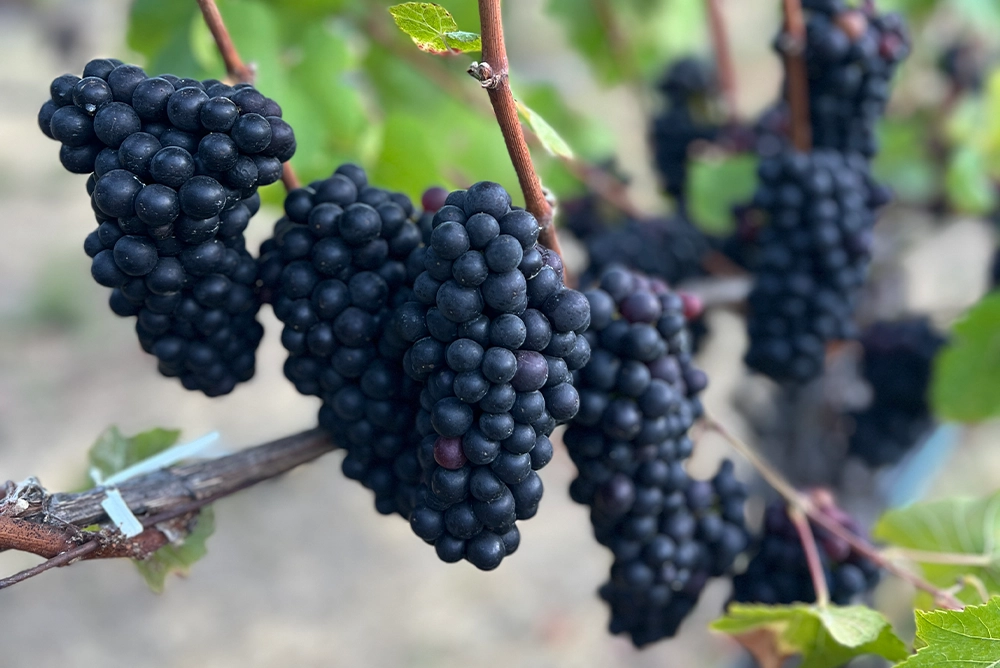
Filigreen Farm: Beyond Sustainability
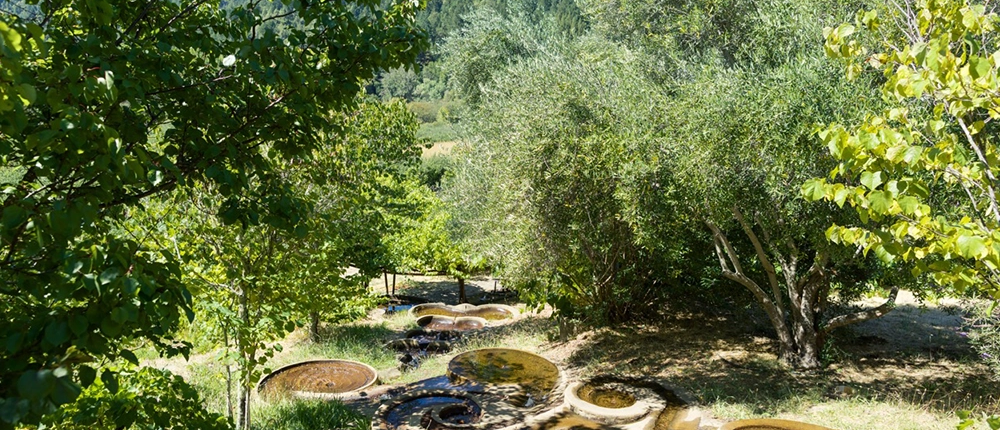
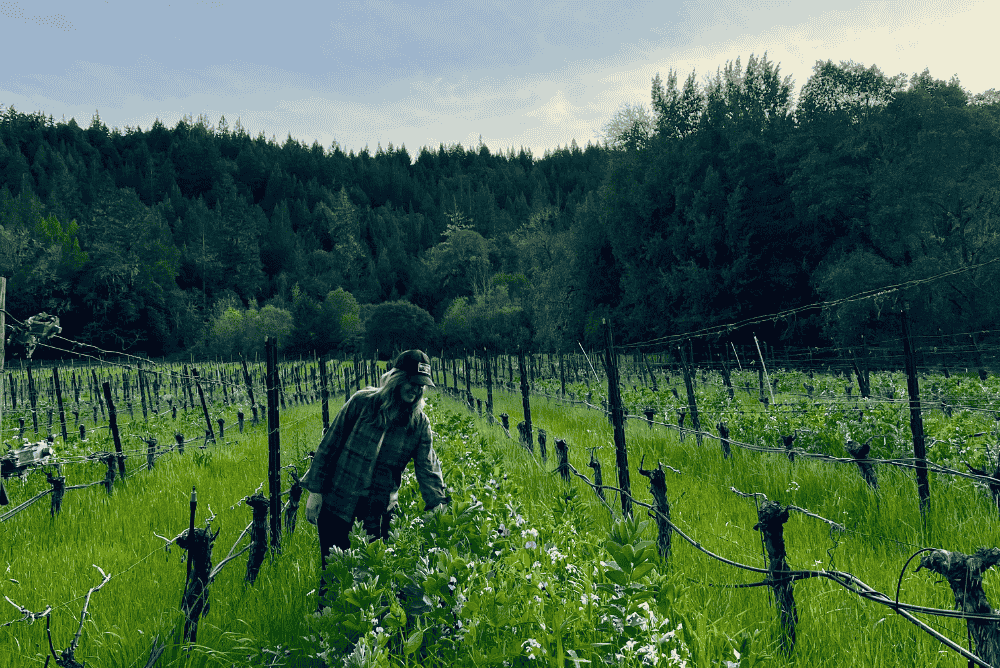
Filigreen Farm is Demeter-certified Biodynamic® and CCOF-certified organic diversified farm situated on 97 acres in Mendocino County’s Anderson Valley.
That means holistic farming, soil vitality, biodiversity, and closed-loop systems working together.
This isn’t just sustainable. It’s regenerative.
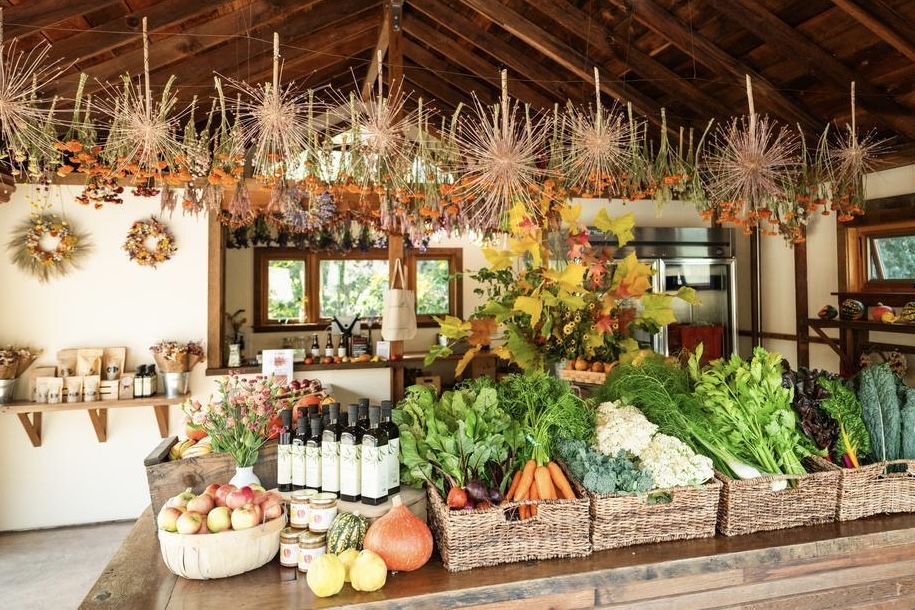
Beyond the vineyard, their farm stand overflows with vegetables, flowers, and honey. The harmony in the healthy soil feeds the entire ecosystem.
Stewardship here extends beyond the vine.
Pennyroyal Farm: Sheep as Vineyard Crew
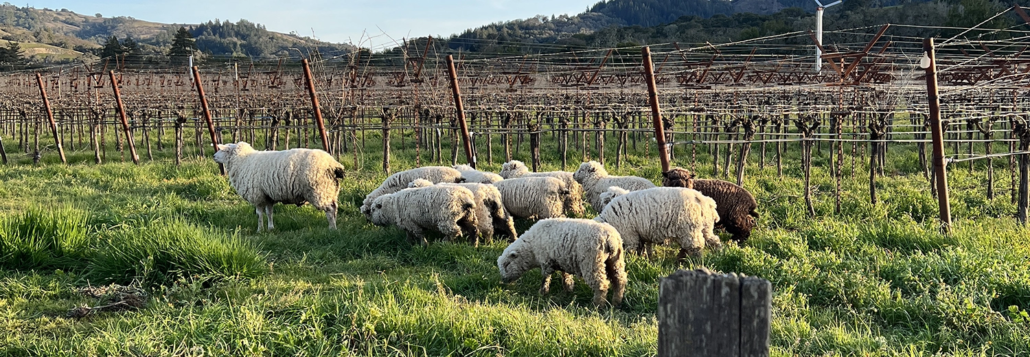
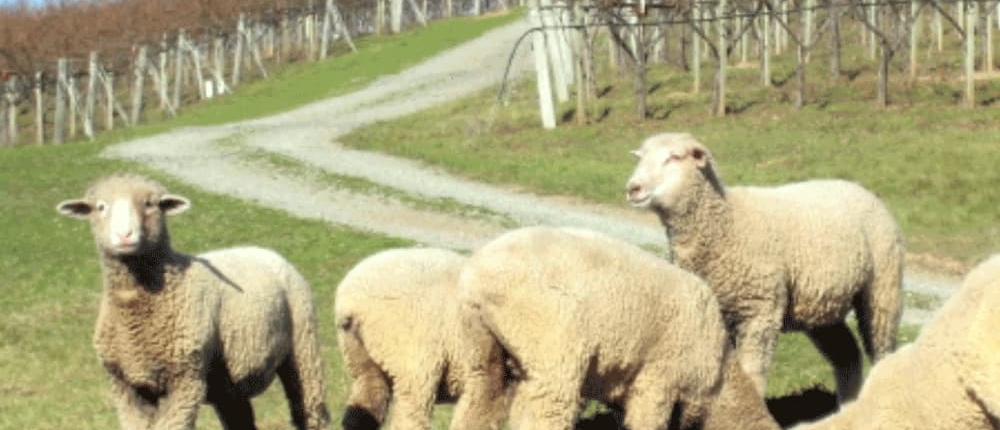
At Pennyroyal Farm, every vine is suckered by sheep.
Yes, by sheep!
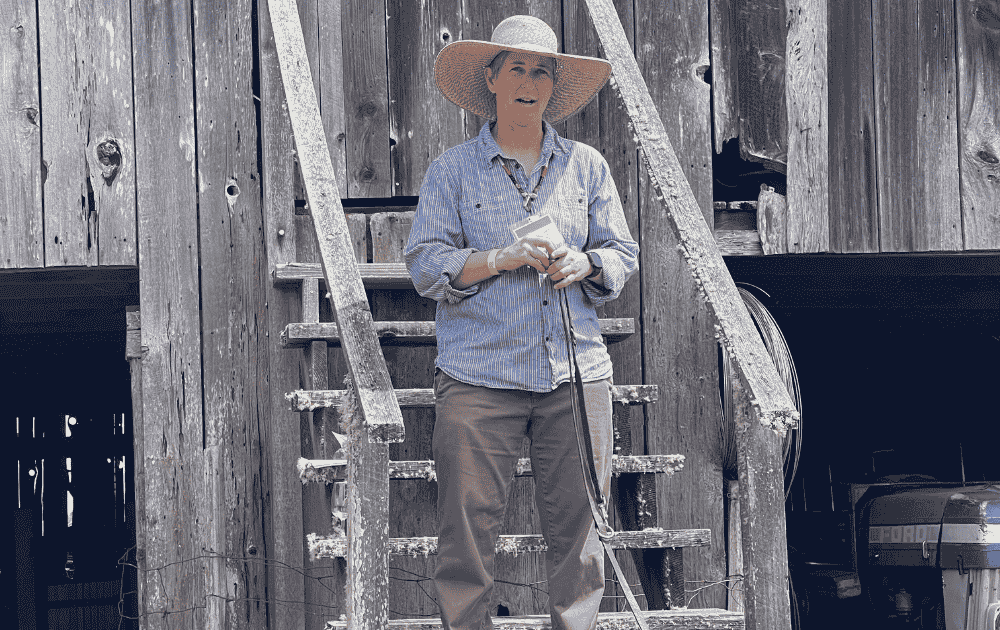
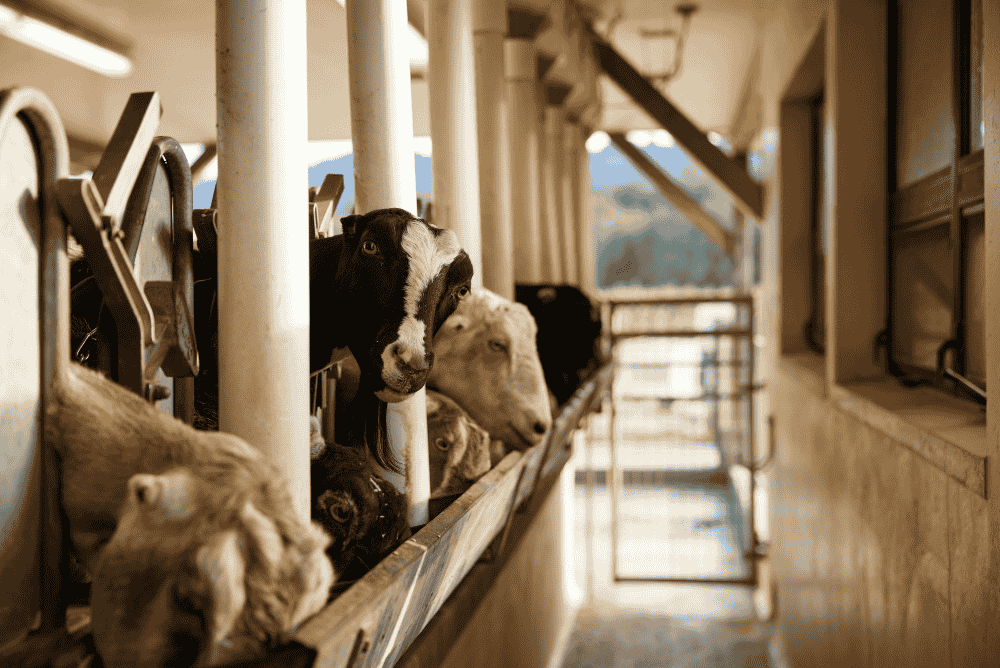
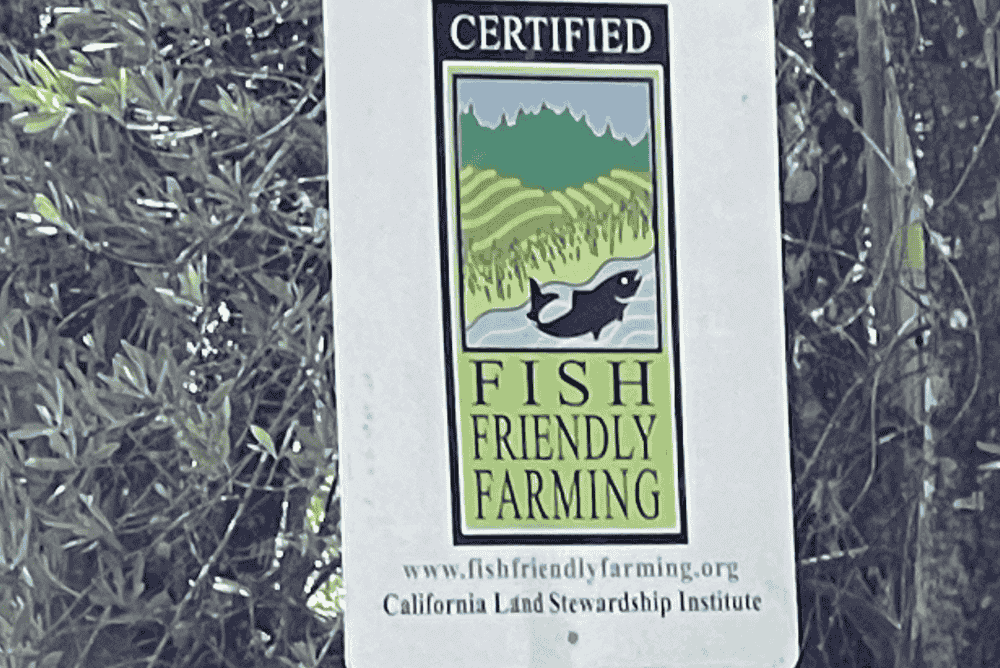
Second-generation vintner Sarah Cahn Bennett integrates livestock into every aspect of the farm: vineyards, dairy, fiber, and food production. Her 23-acre vineyard is Fish Friendly Farming certified and built as a regenerative ecosystem rooted in the legacy of nearby Navarro.
The sheep reduce tractor passes. They manage growth naturally. They return nutrients directly to the soil.
For Sarah and her team, it is not just about wine. It’s about animals, soil health, resilience, and tradition. We love that they selected names for their wines and cheeses that draw from Boontling, Anderson Valley’s historic dialect.
Farming here isn’t a trend. It’s a way of life.

DIRT Wine & Mariah Vineyards: Radical Transparency on a Mountain
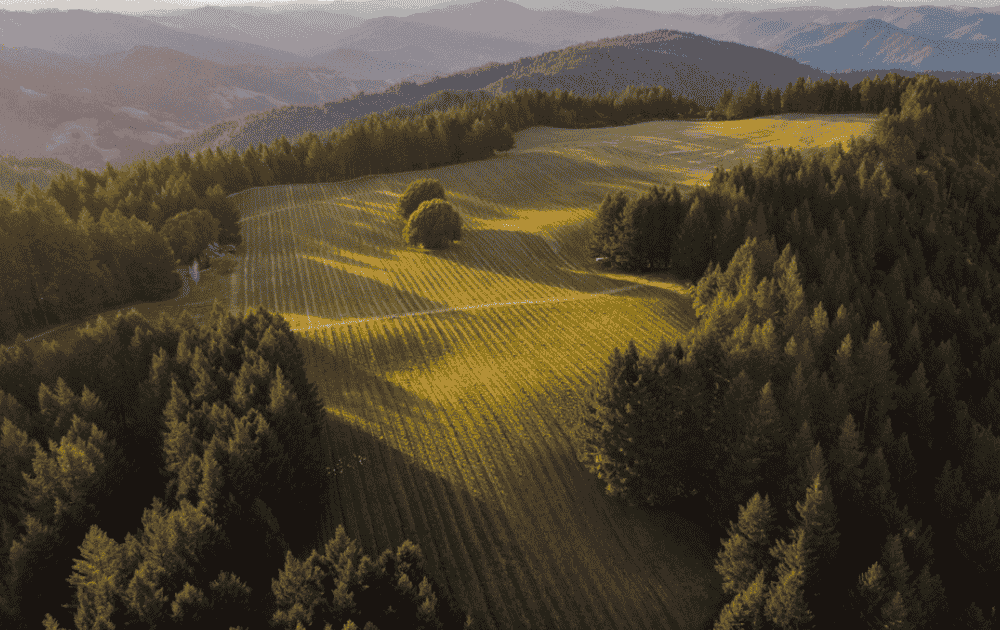
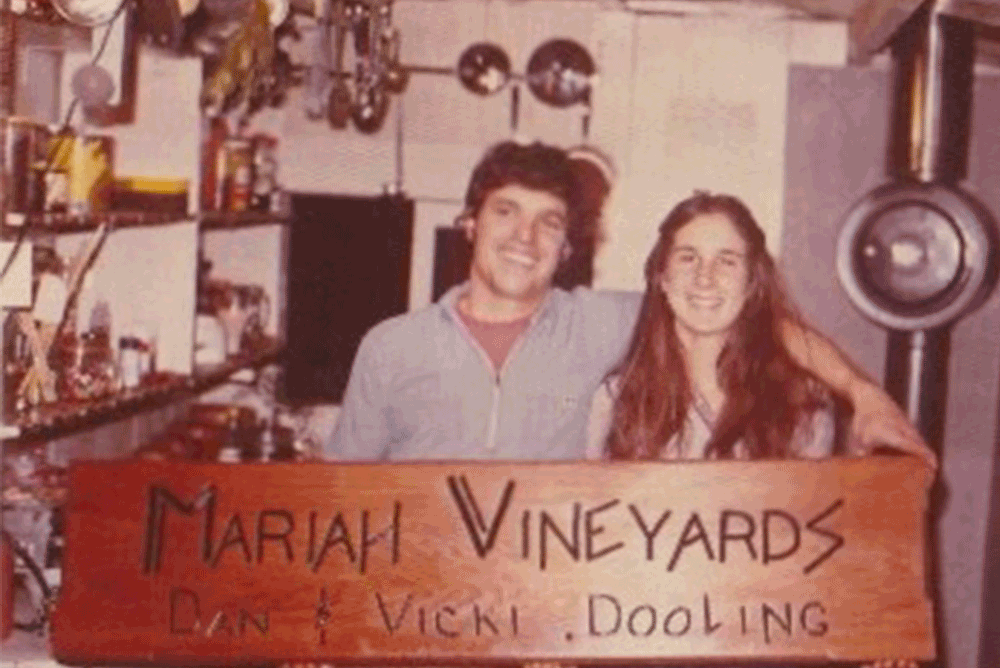
Perched on a rugged mountaintop in the Mendocino Ridge AVA, Mariah Vineyards became the first vineyard in the world certified by the Savory Institute’s Land to Market program.
No-till.
Dry farmed.
Livestock integrated.
Pollinator habitat restored.
Permanent cover crops in place.
The site has been stewarded off-grid for more than 40 years.
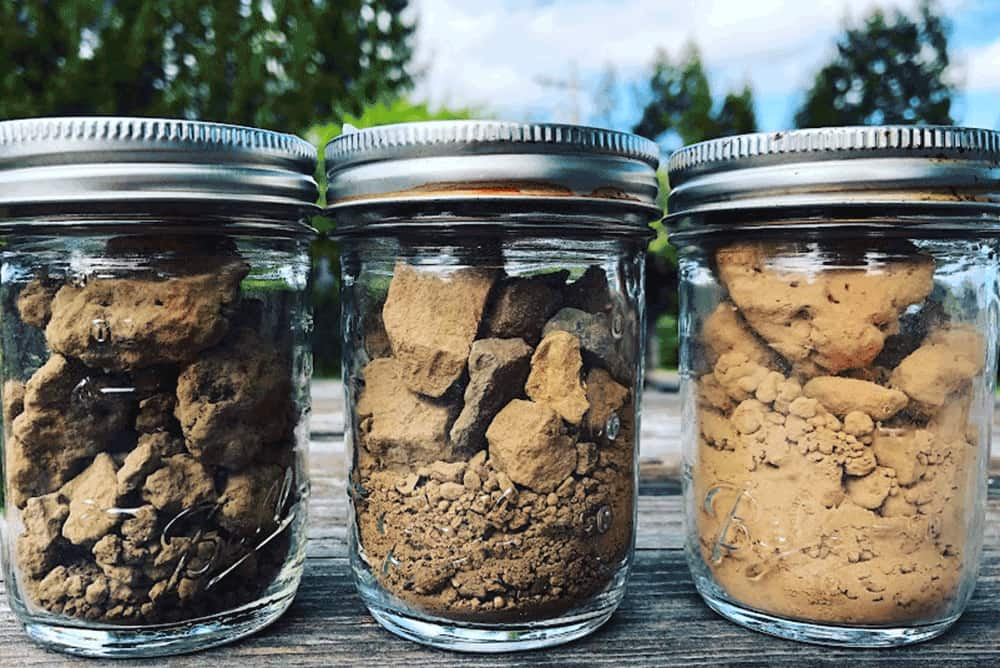
Through DIRT Wine — “You Deserve to Know What You Drink” — the family invites consumers into radical transparency from soil to glass.
This is mountain farming with accountability. A model proving that wine can regenerate landscapes, not just extract from them.
Husch Vineyards: Before It Was Called Regenerative
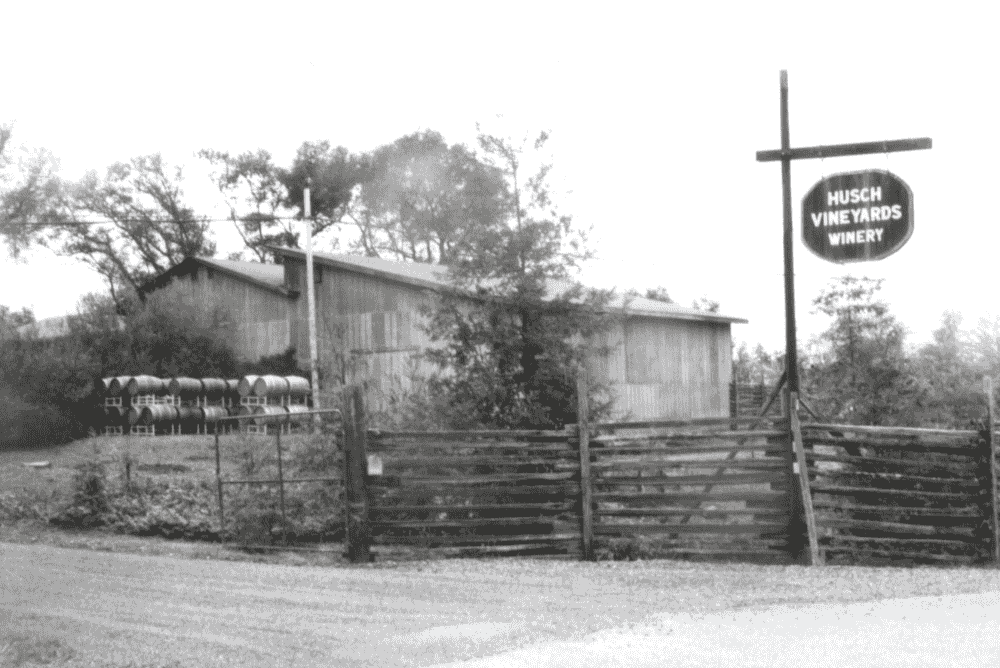
In 1976, long before “regenerative agriculture” became industry language, Husch Vineyards stopped tilling.
After witnessing devastating erosion nearby, they eliminated discing. At the time, it was a bold move.
As the first bonded winery in Anderson Valley, Husch’s legacy now includes decades of no-till farming and a steady commitment to soil structure and vine balance.
Today, under vineyard manager Zac Robinson’s stewardship, that philosophy continues.
Sometimes leadership looks quiet. And steady.
Husch’s regenerative approach does more than just grow grapes; it restores the ecosystem:
• Carbon Sequestration: Our deep-rooted native grasses pull carbon dioxide from the atmosphere to build our stores of grapevine-friendly soil organic carbon.
• Erosion Resilience: During California’s intense “atmospheric river” rainstorms, our porous, healthy soils act as a sponge, maximizing rainwater infiltration and eliminating erosion.
• Natural Pest Control: A diverse habitat of native grasses and flowers supports beneficial insects, creating a balanced environment with fewer pests.
• Thriving Vines: Most importantly, our vines flourish in this nutrient-rich soil, producing the balanced, treasured fruit that defines Husch wines.
Lichen Estate: Seven Acres. Big Personality.
At Lichen Estate, seven acres tell a big story.
No-till farming.
Organic practices.
Permanent cover crops.
Meter-by-meter vine spacing to reduce water use.
Minimal tractor passes.
Rotational grazing.
Sheep do much of the heavy lifting. Biodiversity is encouraged, not controlled.
It’s creative, low-impact farming with intention behind every decision.
Small can be mighty — especially when the land comes first.
Sign Up for Our Newsletter
Get Updates On The Happenings In Anderson Valley!